

Project Category: Social and Behavior Change
Center works through all available forms of media and has expertise in conceptualization, design, implementation, and evaluation of strategic communication interventions, including development of campaigns, materials, and special events.
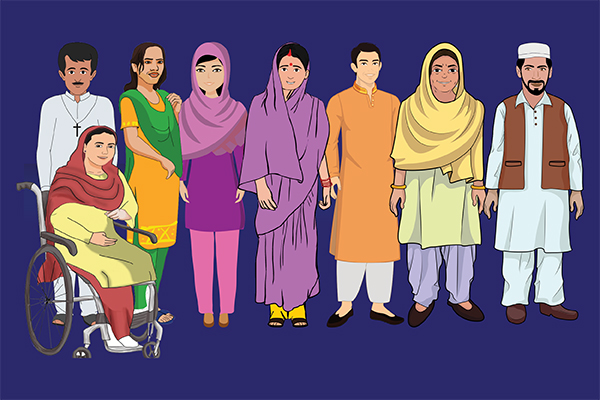
Social and Behavior Change Campaign for (FCDO Funded) Aawaz II
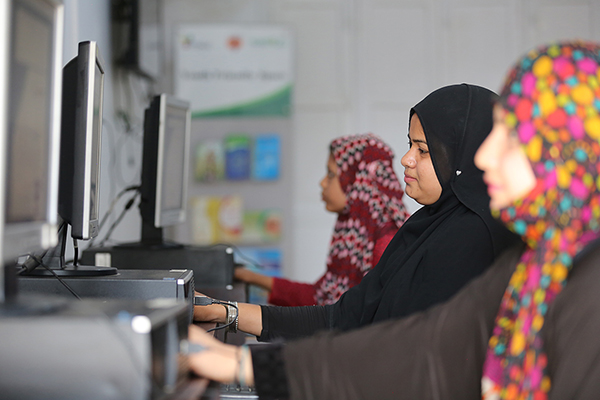
Addressing Menstrual Stigma through Immersive Online Learning

GIZ Funded Support to Local Government Project (LoGo)
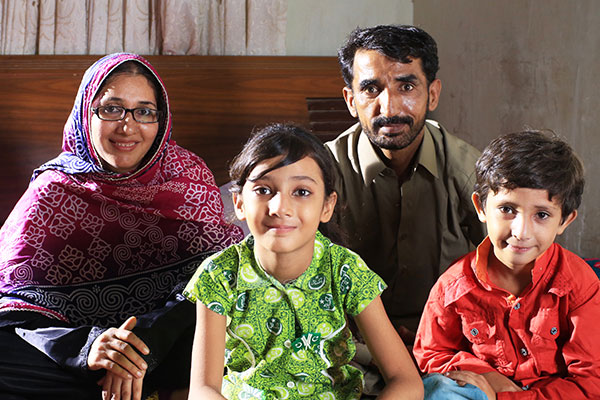
Sukh Dissemination

Vision Zero Awareness Campaign on Safety, Health and Wellbeing in the Textile and Garment Sector
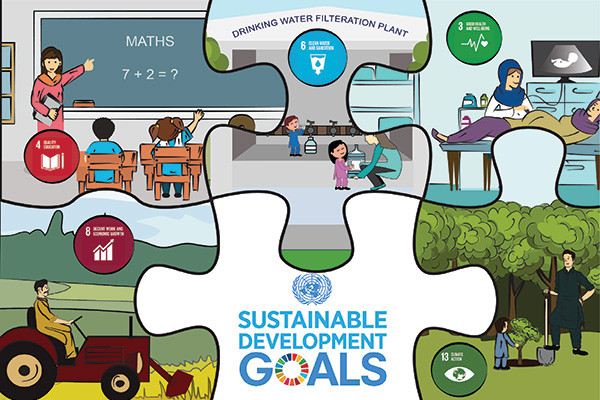
Supporting Local Governance Programme through Comic Work Using the Character of ‘Qasim the Nazim’
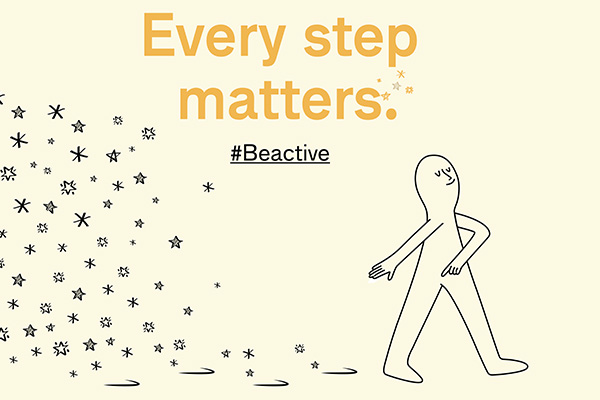
Campaign on Physical Activity and a Primer on Entertainment Education for Health Promotion
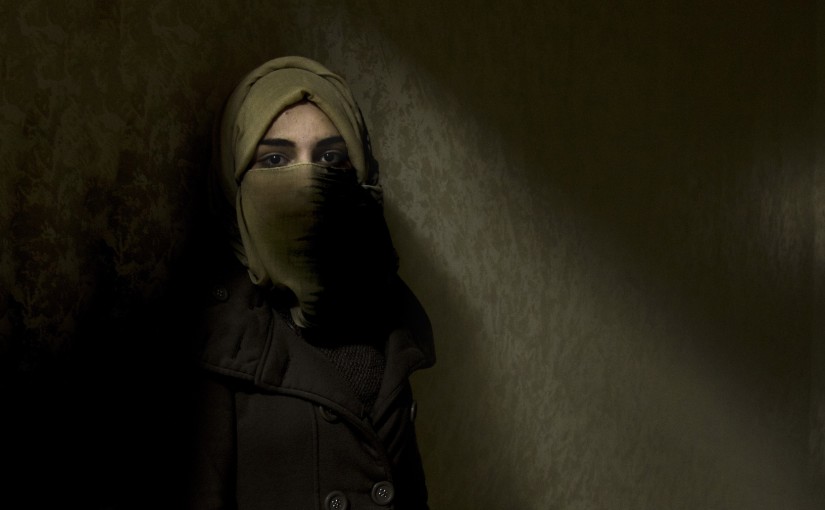
A Comprehensive three-year C4D strategy on violence against children for UNICEF Jordan
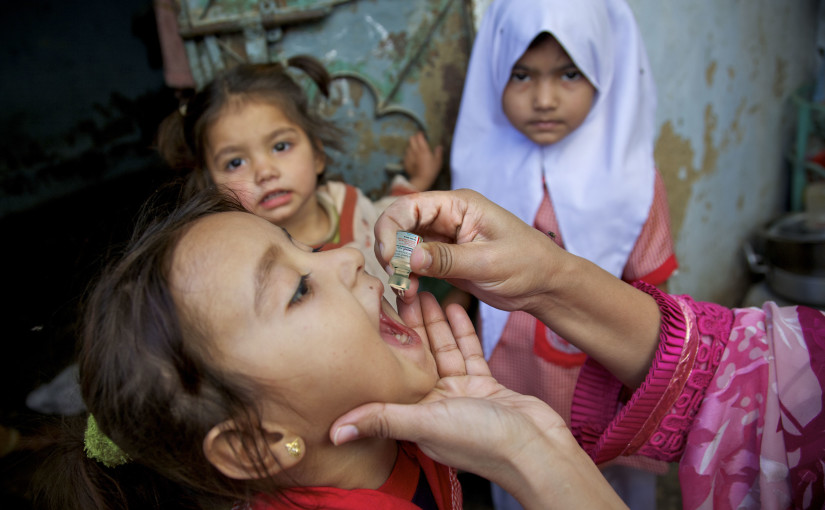
Development of Advocacy Material on Oral Cholera Vaccine for the World Health Organization
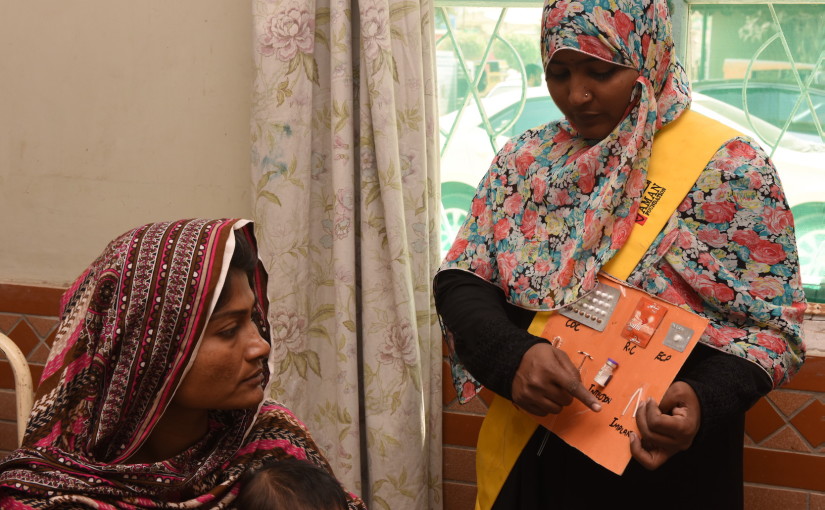
Sukh Initiative’s Strategic Communication for Uptake in Family Planning Services and Practices in Karachi
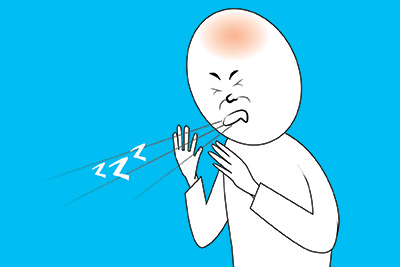
Seasonal Influenza Awareness Campaign for World Health Organization’s Regional Office for the Eastern Mediterranean
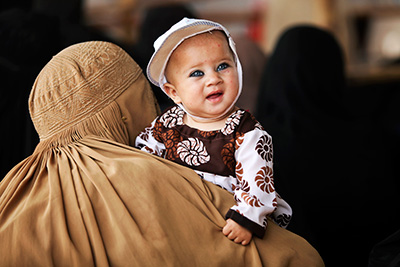
Social Mobilisation and Communication Strategy, Ministry of Public Health, Afghanistan
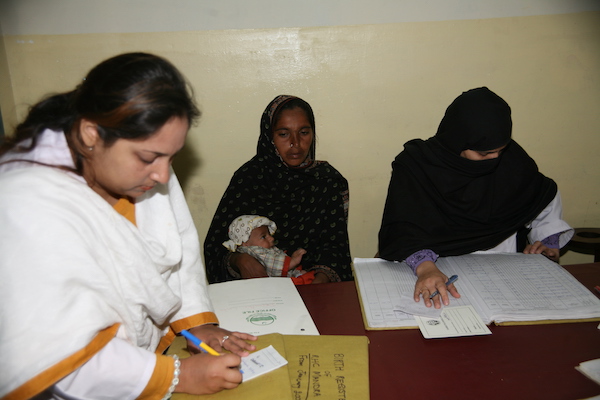
Verificaiton of Family Planning Knowledge among Married Women of Reproductive Ages in Pakistan
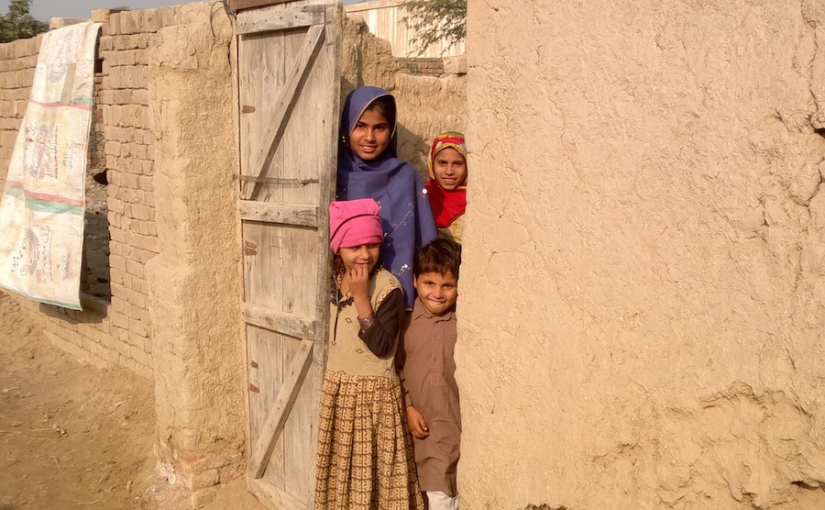
Multilevel Gap Analysis Study in Registration of Births in Balochistan and Sindh Provinces
Increasing Women Participation in General Elections 2013 (and Beyond) in Pakistan: A Crowdsourcing Strategy
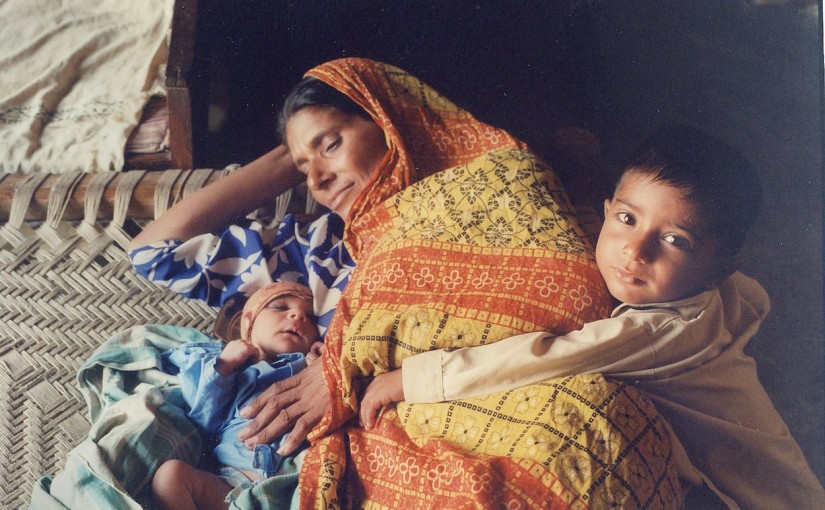
Pakistan Initiative for Mothers and Newborns
PAIMAN was a USAID-funded programme implemented by John Snow Institute in partnership with Center for Communications Programs. The Programme started in October 2004 and completed in Decembert 2010. Its goal was to reduce maternal, newborn, and child mortality in Pakistan and implemented in 24 districts in all four provinces and in Azad Jammu and Kashmir. Center was responsibile for design, implementation and evaluation of one of its five objectives of incrasing awarenesss and promoting positive maternal and neonatal health behaviours.

Health Communication Component of the USAID-funded Maternal and Child Health Program
Center for Communication Programs, along with Johns Hopkins Bloomberg School of Public Health Center for Communication Programs (JHU?CCP) as lead, Mercy Corps and Rural Support Program Network has been chosen to lead the Health Communication Project (HCP) in Pakistan. HCP is a six-year, $24.5 million project funded by the U.S. Agency for International Development (USAID).
The project envisions a Pakistan where individuals, families and communities advocate for their own health, practice positive health behaviors and engage with a responsive health care system. HCP will address family planning and maternal and child health, such as timely ANC attendance, in the Sindh province in Pakistan. The project will work to create enabling environments for change, bolster social networks and empower community members with a sense of self-efficacy. Activities will include social and behavior change communication interventions, such as designing and developing an aspirational health communication campaign and an effective package of SBCC interventions at the individual and household level; advocating for more investment in and coordination of behavioral programming; and, strenghtening the capacity of local agencies to implement SBCC activities.
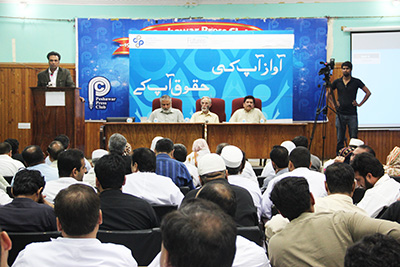
Empowerment, Voice and Accountability for Better Health and Nutrition
Provincial Health and Nutrition Programme (PHNP), funded by UK Government’s Department for International Development (DFID), aims at achieving improved Reproductive, Maternal, Newborn and Child Health (RMNCH) services and nutrition results in Punjab and Khyber Pakhtunkhwa provinces over four years (2013 to 2017). The objective of the programme is to increase the demand for better RMNCH services and nutrition and empower citizens to hold the service providers to account. Women, girls and children with the greatest needs and from underserved backgrounds are prioritized. The sub-programme “Empowerment, Voice and Accountabiity for Better Health and Nutrition” complements the supply-side interventions by increasing demand and strengthening mechanisms for greater and effective citizen participation and monitoring of health services. Center for Communication Programs, along with GRM Futures, Mercy Corps and Integrity, is one of the implementing partners and is responsible for designing and managing all media and communications activities.