

Communication Materials and Handbook on 15 High-Risk Pathogen for 22 Countries of Eastern Mediterranean Region of World Health Organisation
Background of the Assignment:
Infectious disease outbreaks do not respect international boundaries and pathogens can spread quickly in today’s interconnected world, presenting a threat to all countries. Therefore, the need to prevent, detect and respond to any infectious disease that poses a persistent threat to regional and global health security remains a priority.
Emerging infectious diseases pose a major and continuing public health threat in the WHO Eastern Mediterranean Region, comprising 22 countries. The Region has been an epicenter for many emerging diseases in recent years. Many countries in the Eastern Mediterranean Region continue to face recurrent outbreaks from these emerging and re-emerging diseases, which have a significant impact on health and economic development in the Region. At least 11 to 12 of the 22 countries in the Region regularly report major epidemics from emerging and re-emerging infectious diseases with the potential for global spread. The causes for resurgence of emerging infectious diseases in the Region are many and complex, but most important factors include ongoing conflict and political instability resulting in frail health systems, population movement, overcrowded urban centers, lack of clean water and adequate sanitation, increased international travel, major religious mass gathering, deteriorating environmental conditions and weak public health systems.
Scope of Work:
Center for Communications Programs Pakistan was engaged by the Regional Office of the World Health Organization (Eastern Mediterranean Region) based in Cairo, representing 22 countries, after a competitive process.
Led by the the Infectious Hazard Management (IHP) programme of Department of Health Emergencies (WHE) the main purpose of the assignment was to:
- Engage with communities to raise public awareness about the diseases caused by high threat pathogens through risk communication.
- Develop risk communication materials for priority high threat pathogens.
Key Activities:
CCP Pakistan, performed the following key tasks in this activity:
- Identification of 15 Most High-Risk Pathogens and their priority audiences alongside the team at WHO.
- Literature search for technical messages relevant to the region, pathogens, audiences for filtering out priority messages. The Literature search included prominent KAP studies, Existing Risk Communication Materials and Scientific Documents by WHO, globally.
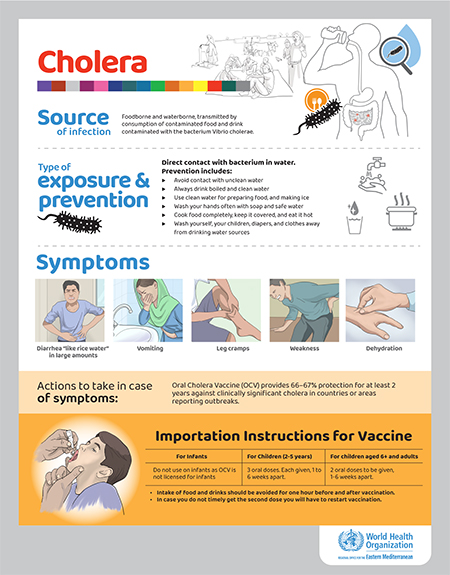
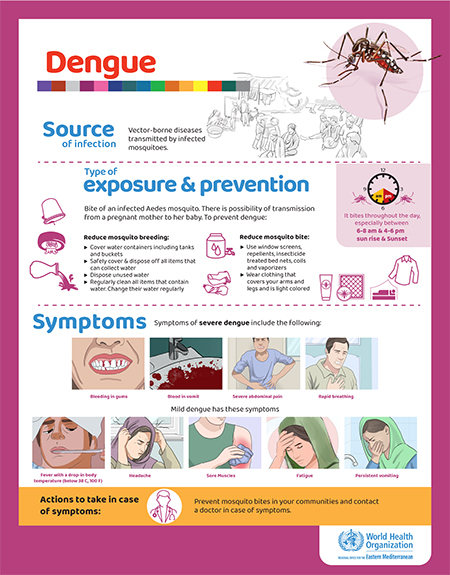
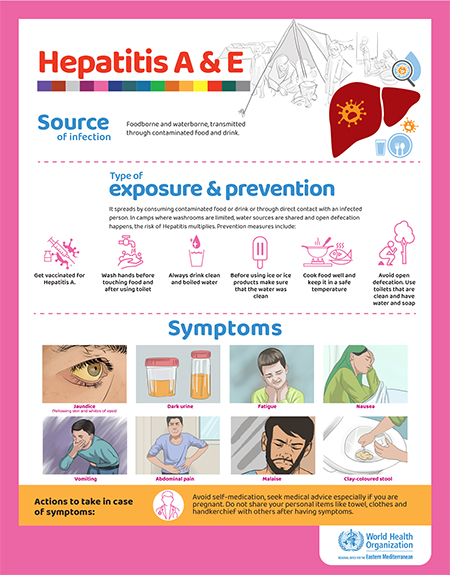
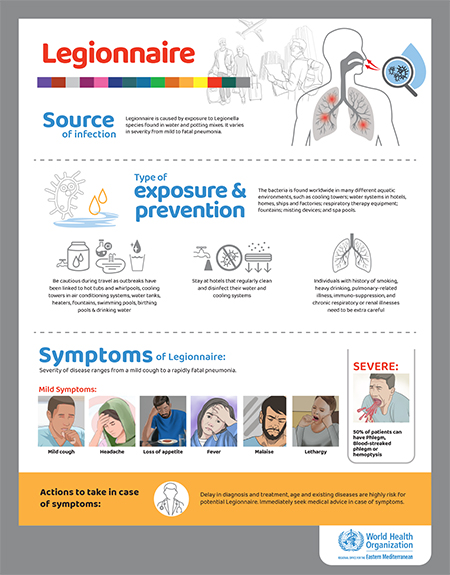
- The technical messages were simplified, visualized and refined for enhanced understanding by communities and other target audiences in the 22 countries of the EMR. The content brief of each pathogen was prepared for approval by WHO
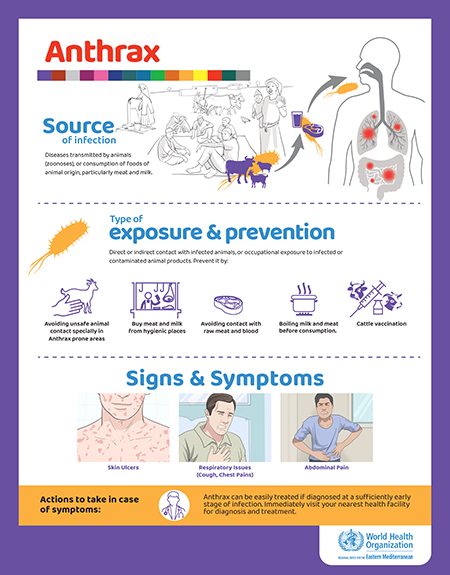
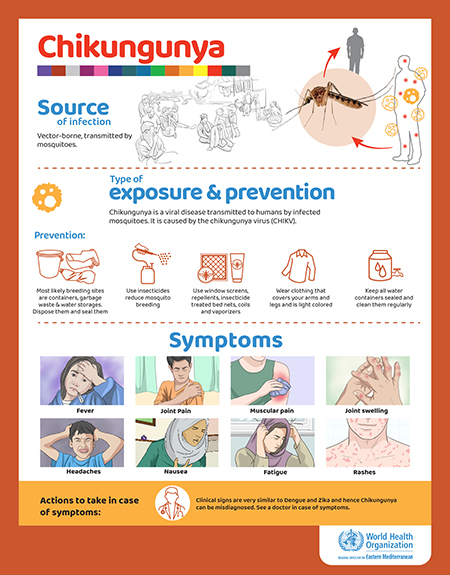
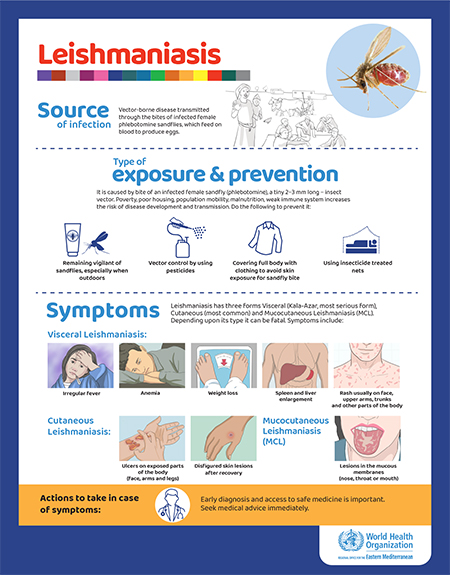
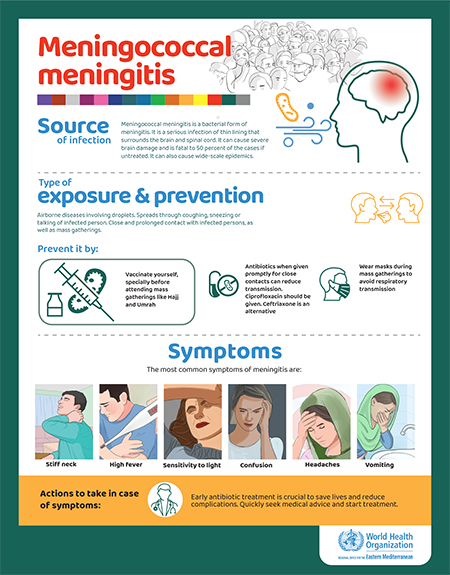
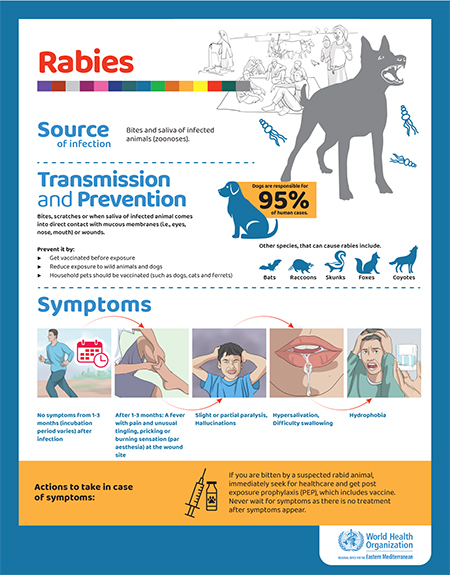
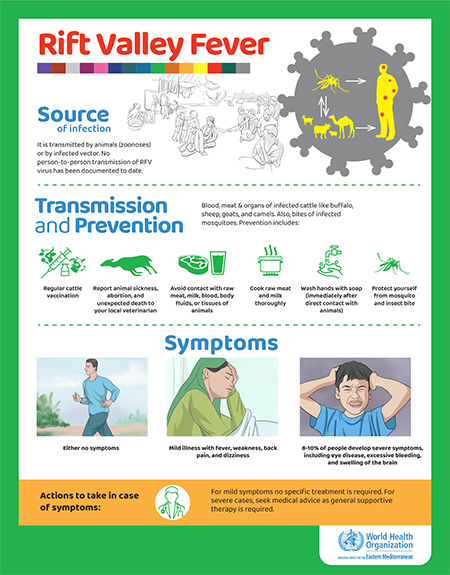
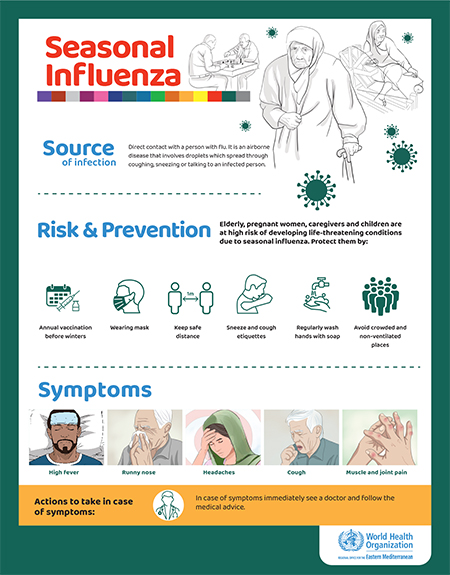
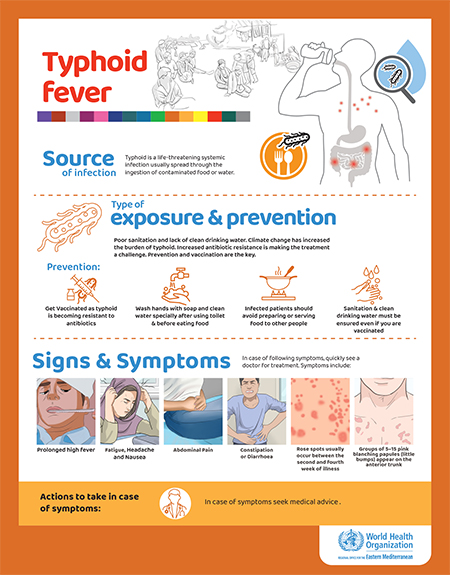
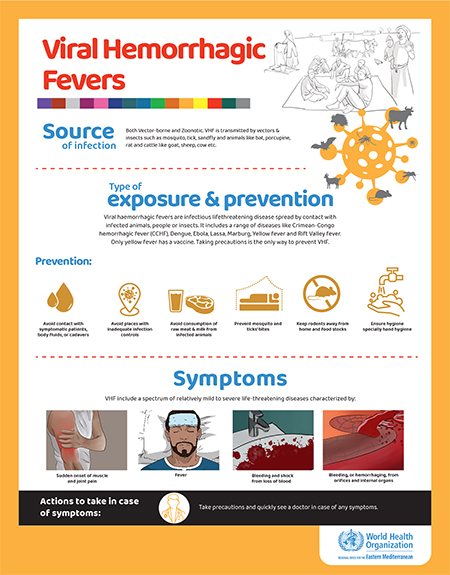
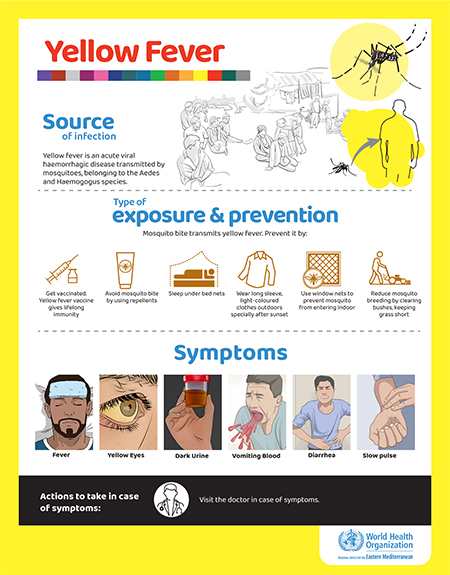
- To ensure that the communication materials are not technical, a Brand Prototype was designed to bring consistency, aesthetics, visual clarity, visual appeal, relevant color coding, specialized content space, for all posters. Resultantly all communication materials could be used as independent designs as well as part of one large campaign together without compromising on either the message, content or objective.
- The final communication materials were enhanced further by illustrating, region specific illustrations to adequately represent the audiences in the 22 countries of EMR. This was done through a design sprint methodology of visually researching the cultures, sociocultural settings, prominent face features in the region. The enhanced designs ensures that the communication materials can be used in all countries representing the region.
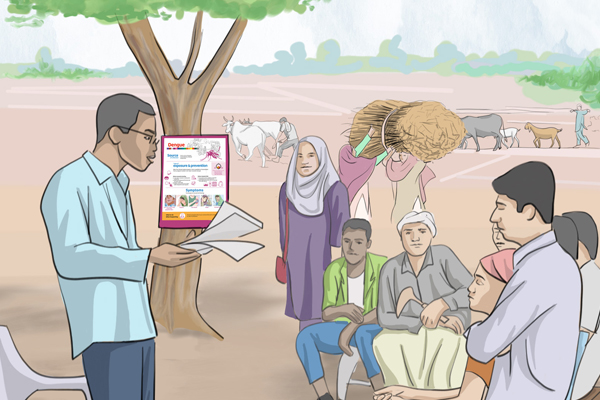
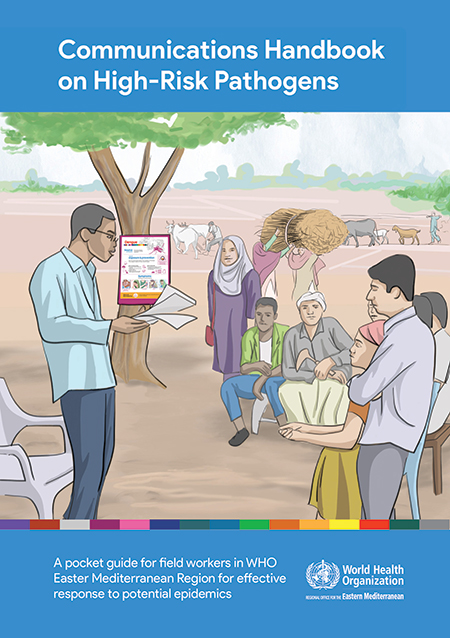
- Finally, the communications materials were packaged in a handy, easy to use, communications handbook for fieldworkers. The handbook was strategically designed keeping in view the rapid response needs of the field workers with ready to use materials, quick guidance on conducting awareness campaigns, media engagement and campaign placement guidance for mass media, digital and social media, community level media and Interpersonal Communication.
Deliverables:
- Repository of KAP Studies and Communication Materials from WHO Sources
- 45 Ready to Use Digital Designs to be used on Social and Digital Media as well as display posters in the field with little or no internet access
- Communications Handbook with Integrated Digital and ready to print communication materials along with essential guidance on their dissemination
Reference from CCP Pakistan for Assignment Delivery:
Name: Ehtesham Abbas
Designation: Director Programs and Operations
Work Email: ehtesham@ccp-pakistan.org.pk
Reference from WHO for Quality Check:
Name: Ms Lubna Al Ariqi
Designation: Technical Officer, Infectious Hazard Preparedness Unit, Health Emergencies Department, WHO Officer for the Eastern Mediterranean Region
Work Email: alariqil@who.int
Work Telephone Number: +20 2227 65705
|
|
|
|
|
Ehtesham Abbas
ehtesham@ccp-pakistan.org.pk